
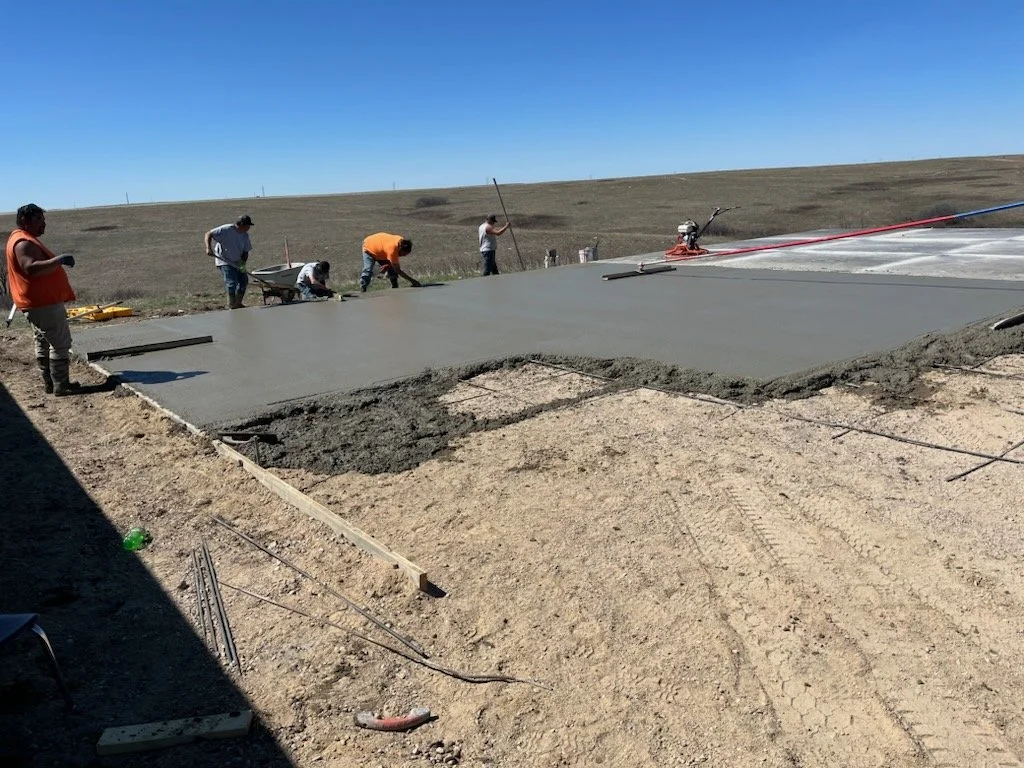
Where Community Comes Together: Inside the Allen Youth Center
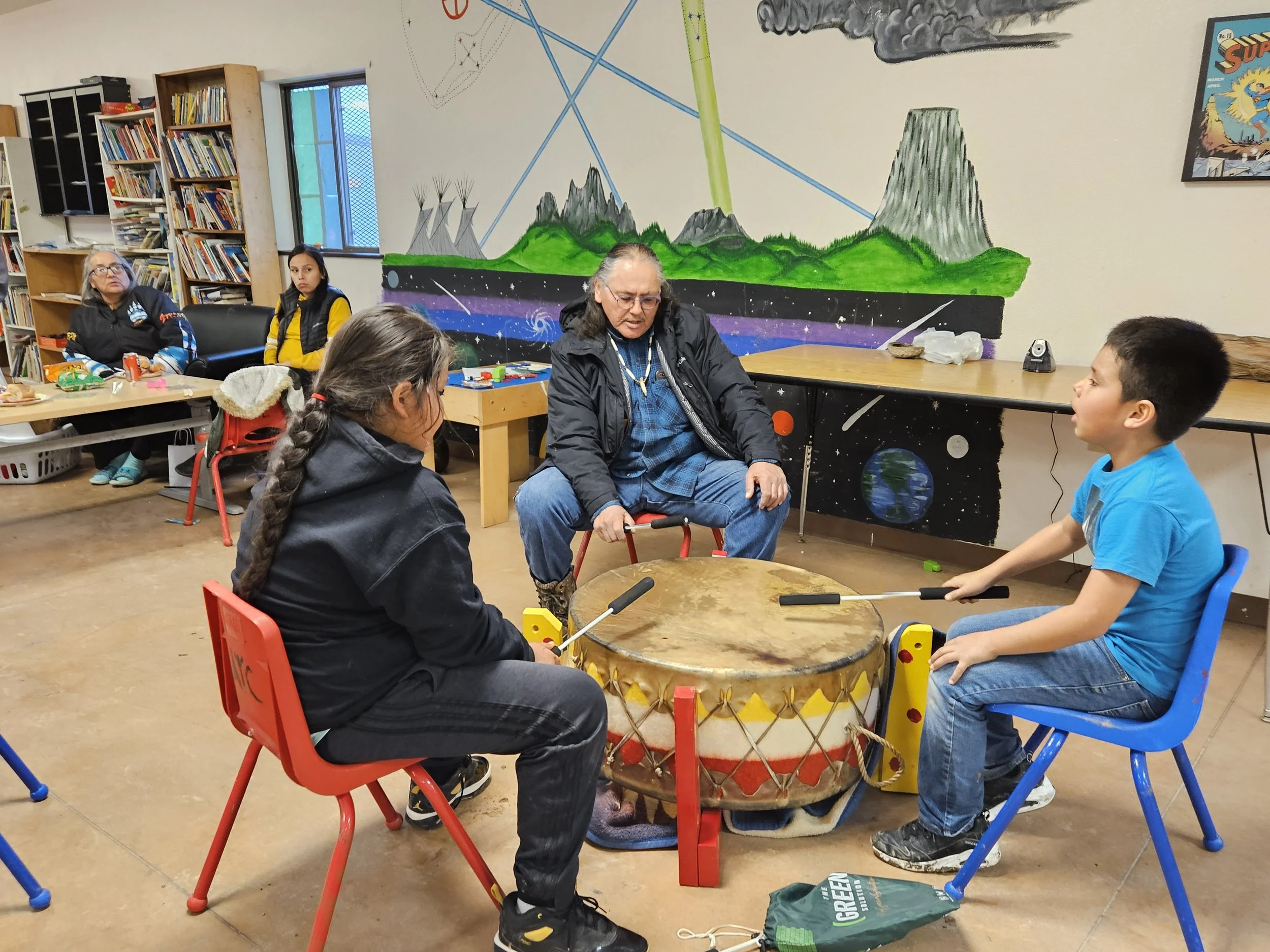
On any given afternoon at the Allen Youth Center, the building is buzzing with activity.
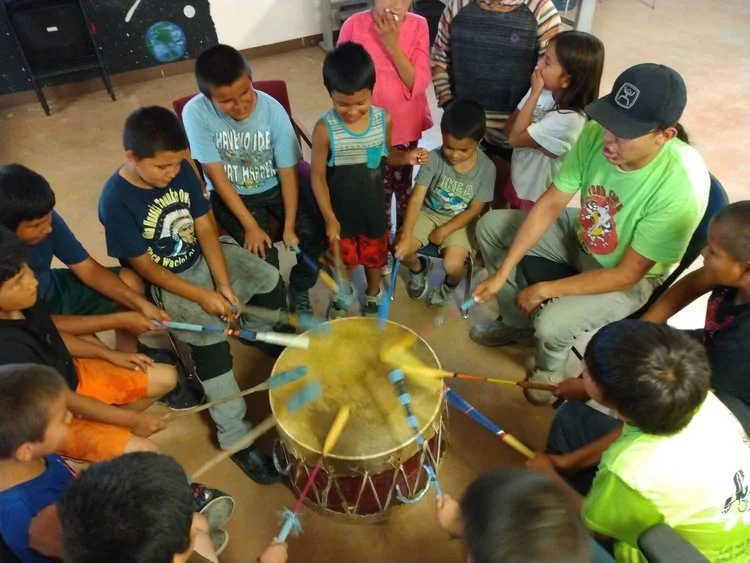
Outside, basketballs beat against the weathered Wita Najiin court like a steady heartbeat, carrying the laughter and determination of young players across the open prairie. Inside, the warmth of a meal being prepared fills the kitchen while a student leans toward a computer screen, working toward something only they can imagine. Books wait to open new worlds, blank pages invite color, and games turn unfamiliar faces into friends. Fingers search for a melody on the piano, fabric moves carefully beneath the needle of a sewing machine, and through it all, the sound of the Lakota drum moves from room to room, reminding everyone who enters that culture is not simply remembered here. It is alive.
Each activity serves a different purpose, but together they reflect the Center’s larger role in the community: creating a dependable place where Lakota youth and families can find nourishment, opportunity, culture, recreation, and practical support.
Located in Allen, South Dakota, the Center is open Tuesday through Saturday from noon to 8 p.m. It welcomes people of all ages and regularly serves approximately 30 to 40 families from Allen and surrounding communities.
Room to Learn, Play, and Create
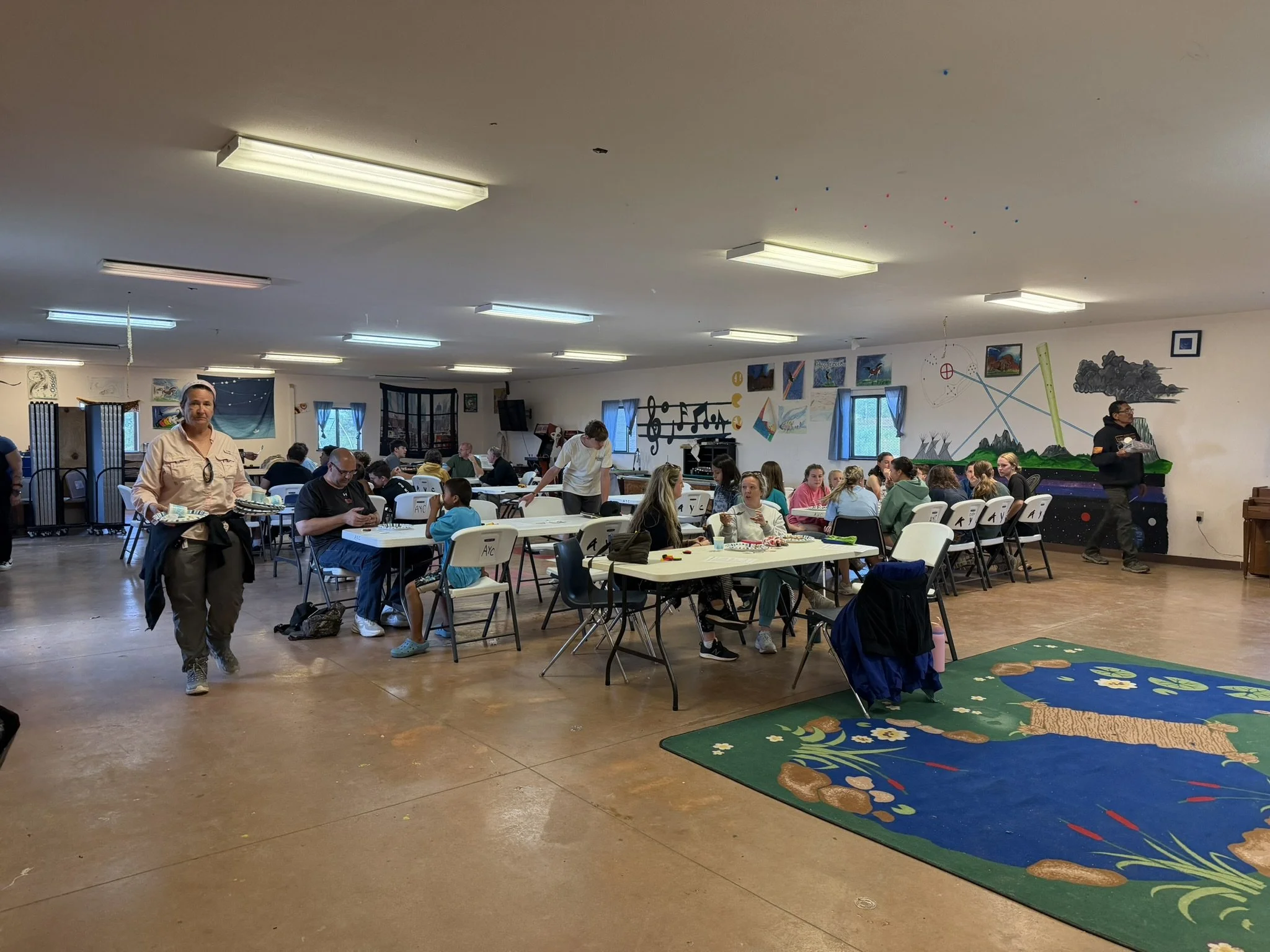
Young people come to the Center to spend time with friends, play basketball, shoot pool, watch television, or choose from video games and board games. They also have access to a piano, drum set, sewing machines, sewing materials, and a wide variety of arts and crafts supplies.
These resources give youth constructive ways to spend their time while discovering new interests. A young person may walk in planning to play a game and leave having learned a song, sewn something for the first time, finished a painting, or found an activity they did not know they would love.
The Center’s children’s library offers a quieter place to read and explore. Computers, Wi-Fi, and homework assistance help students complete schoolwork and access technology that may not be consistently available at home.
Outside, the Wita Najiin Basketball Court remains one of the Center’s most active gathering spaces. Wita Najiin means “Standing Together,” a fitting name for a court where youth build friendships, confidence, discipline, and teamwork through play.
Culture in Practice
Lakota identity is woven throughout the Center’s programming.
Recurring Lakota drum teachings give youth and community members opportunities to learn, share, and honor Lakota songs and traditions. Ancestral clay workshops combine creativity with teachings about Indigenous pottery, storytelling, and the relationship between the people and Maka Ina, Mother Earth.
Other Lakota lifeways activities, including timpsila harvesting, bring participants together with community knowledge keepers for learning grounded in culture and experience.
The Center also connects young people with Camp Marrowbone, Horse Spirit Camp, field trips, and youth employment opportunities. Transportation to camps helps families overcome one of the most common barriers in remote reservation communities, allowing young people to participate in experiences that build independence, life skills, and connection.
These programs offer youth something meaningful to do, but their value reaches further. They create opportunities for knowledge to move between generations and for young people to experience their culture as something active, present, and entirely their own.
Meeting Everyday Needs
Many families on Pine Ridge face long travel distances, limited transportation, food insecurity, and inconsistent access to basic services. The Allen Youth Center responds to those realities in direct and practical ways.
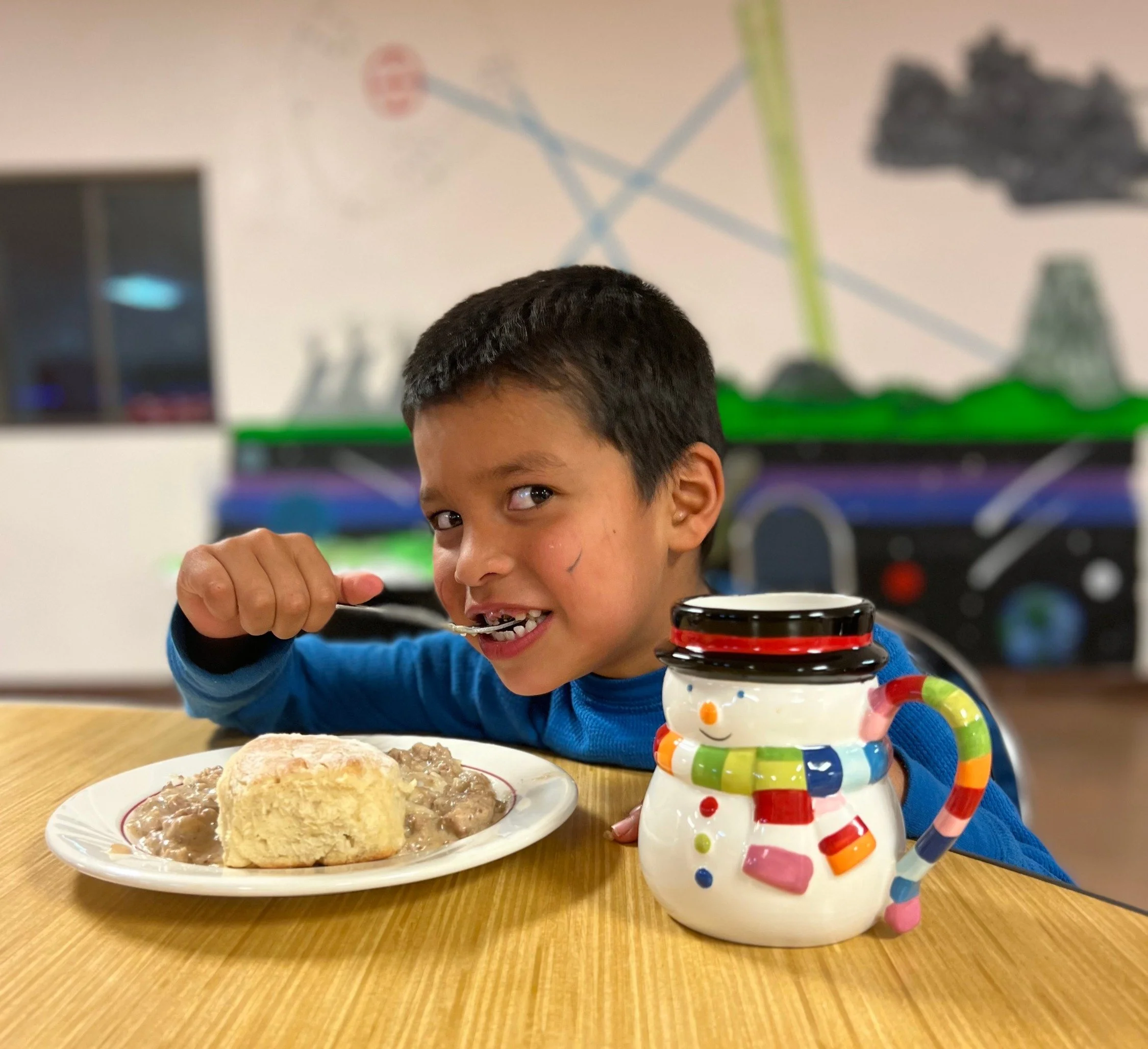
Daily hot meals are available to youth and community members. The fully equipped kitchen is also used for cooking activities, community gatherings, and fundraisers that support youth programming.
The Center operates a food pantry and regularly distributes donated clothing, hygiene products, and household necessities. Emergency items such as diapers and infant formula are available when families need immediate assistance. Because donations arrive in many forms, the exact items available may change, but the purpose remains the same: useful resources are placed directly into the hands of local families.
Laundry machines and hot showers are also available. Laundry is offered for a small fee that helps maintain the machines and support youth activities. For families without dependable facilities at home, these services can reduce both expense and the need to travel long distances.
The significance of this work is often found in ordinary things: clean clothes for school, groceries for the week, formula for a baby, or a hot meal waiting at the end of the day.
Support for the Whole Community
Although youth are central to its mission, the Center is a resource for the wider community.
Shared meals and informational gatherings give residents opportunities to connect, suggest activities, and participate in shaping the Center’s future. Volunteers assist with cleaning, outdoor projects, maintenance, and youth activities. Community members are also encouraged to share their talents by teaching a class or practical skill.
Volunteer hours may be exchanged for laundry tokens, hot showers, and meals, creating a system in which community members can both contribute and receive support.
The Center also hosts recurring Project AWARE grief groups and workshops focused on grief, trauma, and post-traumatic stress. Led through a community partnership, these gatherings introduce healthy coping strategies and connect participants with healing resources. By providing an accessible meeting place, along with food and refreshments, the Center helps bring support closer to the people who need it.
The People Behind the Programs
Donated food, clothing, books, hygiene products, and activity supplies are essential to the Center’s work. Yet
every resource inside the building depends on people to make it useful.
Staff prepare meals, supervise activities, help students with schoolwork, organize donations, coordinate workshops, maintain the facility, and build relationships with the families who return each week. They create the structure that allows many different services to operate under one roof.
For that reason, one of the Center’s most important needs is unrestricted financial support. Unlike donations designated for a single activity or item, unrestricted funding can be used where the need is greatest, including staff wages, utilities, maintenance, food, transportation, and daily operating expenses.
A donated basketball gives a child something to play with. A donated computer creates access to information. A box of food can help feed a family.
Unrestricted support ensures there are people present to organize those resources, maintain the space, guide the programs, and make the Center dependable.
That dependability matters deeply in Allen.
The Allen Youth Center brings together services that might otherwise require families to travel considerable distances or go without. It offers recreation, education, cultural programming, meals, basic necessities, family support, and community connection in one familiar place.
Its impact can be heard in the bounce of a basketball, the hum of a washing machine, the conversation around a shared meal, and the drumbeat carrying through the building.
These are the sounds of a community caring for its young people and for one another.
With continued support, they will keep carrying across Allen for years to come.